Enterprise Application Integration: The Strategic Framework That Connects Your Digital Ecosystem
After implementing over a thousand integration projects across two decades, I’ve witnessed the evolution of enterprise application integration from simple point-to-point connections to sophisticated, intelligent ecosystems. The organizations that thrive today aren’t those with the most applications—they’re the ones that have mastered the art of making these applications work together seamlessly.
Understanding Enterprise Application Integration in Modern Context
Enterprise Application Integration (EAI) represents the strategic framework and technical infrastructure that enables disparate business applications to communicate, share data, and trigger processes across your organization. While the definition sounds straightforward, the reality involves orchestrating complex data flows, managing real-time synchronization, and ensuring business continuity across systems that were never designed to work together.
The stakes have never been higher. According to MuleSoft’s Connectivity Benchmark Report, enterprises now use an average of 1,061 applications, yet only 29% of these applications are integrated. This fragmentation costs organizations an estimated $450,000 annually in lost productivity and duplicated efforts. When your HR system doesn’t talk to your financial platform, or your customer data sits isolated in separate databases, you’re not just facing technical inefficiency—you’re creating strategic blind spots that impact decision-making at every level.
The Core Pillars of Effective Integration Architecture
Data Integration Layer
The foundation of any robust integration strategy begins with data. In my experience working with complex Workday integration projects, the data layer determines whether your integration becomes an asset or a liability. This isn’t about moving data from point A to point B—it’s about ensuring data integrity, managing transformations, and maintaining governance across the entire ecosystem.
Modern data integration requires real-time synchronization capabilities. When an employee receives a promotion in your HR system, that change should cascade immediately to payroll, benefits administration, access management, and reporting systems. Batch processing that runs overnight might have worked in 2005, but today’s businesses operate in real-time, and your integrations must match that pace.
The technical implementation involves establishing master data management protocols, defining data ownership, and creating transformation rules that account for different data formats across systems. I’ve seen organizations struggle for months because they underestimated the complexity of mapping a “customer” record in their CRM to a “client” in their ERP system—seemingly simple translations that involve dozens of field mappings and business logic rules.
Process Integration and Orchestration
While data integration moves information, process integration orchestrates business workflows across multiple systems. This distinction matters significantly when designing enterprise-scale solutions. A typical procure-to-pay process might touch your procurement system, approval workflows, ERP platform, payment processing system, and vendor management database. Each touchpoint requires not just data exchange but coordinated actions that maintain business logic and compliance requirements.
Process orchestration becomes particularly critical in regulated industries. In financial services or healthcare, your integration layer must enforce compliance rules, maintain audit trails, and ensure that no step in a process completes without proper authorization. This requires building intelligence into your integration middleware—creating decision points, exception handling, and rollback capabilities that prevent partial completions from creating data inconsistencies.
The technical architecture typically involves implementing a business process management layer that sits above individual integrations. This layer provides visibility into end-to-end processes, identifies bottlenecks, and enables business users to modify workflows without requiring deep technical knowledge. When implemented correctly, this approach transforms integration from an IT function into a business capability.
API Management and Service-Oriented Architecture
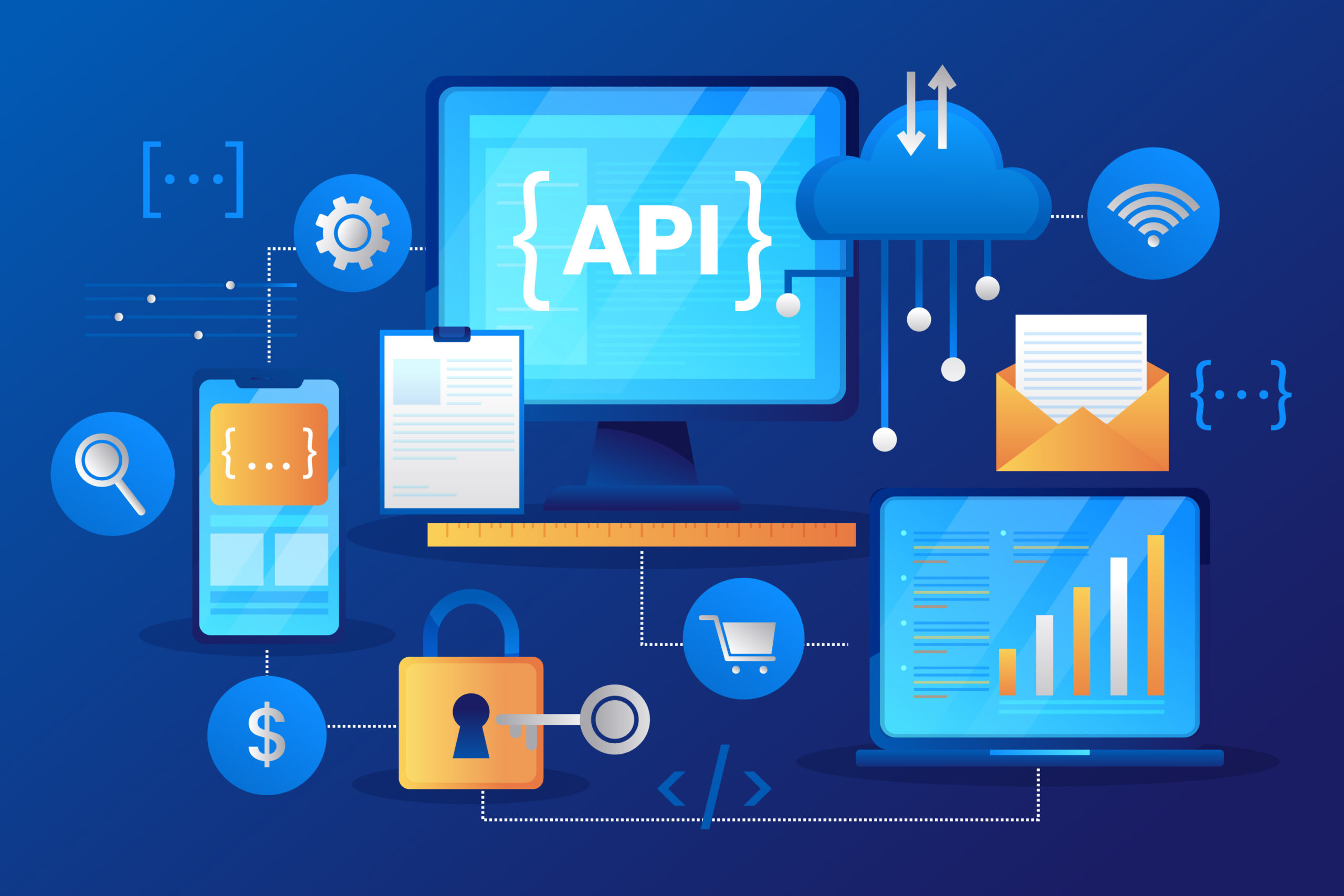
The shift toward API-first integration strategies represents one of the most significant architectural evolutions in enterprise integration. Rather than creating tightly coupled point-to-point connections, modern integration architectures expose business capabilities as reusable services through well-defined APIs. This approach provides flexibility, scalability, and maintainability that traditional integration methods simply cannot match.
Organizations implementing MuleSoft integration strategies or similar platforms benefit from centralized API management that provides security, rate limiting, analytics, and version control. These platforms transform integration from custom-coded connections into managed, discoverable services that development teams can consume consistently.
The practical impact becomes evident when you need to modify or replace a system. With traditional point-to-point integrations, replacing your CRM might require updating dozens of custom connections. With an API-based approach, you update a single API implementation while all consuming systems continue functioning without modification. This architectural pattern reduced our average system replacement timeline by 60% across multiple client implementations.
Ready to Transform Your Application Ecosystem?
Connecting 1,000+ enterprise applications requires strategic architecture, proven integration patterns, and platform expertise. Sama Integrations has delivered scalable EAI solutions using hub-and-spoke, API-led, and event-driven architectures that reduce integration complexity and accelerate business agility. Let's design an integration framework that turns fragmented systems into a unified digital ecosystem.

Integration Patterns and When to Apply Them
Hub-and-Spoke Architecture
The hub-and-spoke model centralizes integration logic through a middleware platform that serves as the central hub, with individual applications connecting as spokes. This pattern excels in environments with numerous applications requiring interconnection. Rather than creating N×(N-1)/2 point-to-point connections, you create N connections to the central hub.
In practice, implementing managed integration services using this pattern provides several advantages. The central hub becomes your control point for monitoring, logging, error handling, and governance. When an integration fails, you have a single location to diagnose issues. When compliance requires audit trails, you capture them centrally rather than reconstructing events from multiple systems.
The tradeoff involves creating a potential bottleneck and single point of failure. Mitigation requires investing in high-availability infrastructure, implementing robust failover mechanisms, and designing the hub to scale horizontally as integration volumes increase. Organizations that skimp on hub infrastructure often find their integration layer becoming the constraint that limits business growth.
Event-Driven Integration
Event-driven architectures represent the cutting edge of integration design, enabling systems to react to business events in real-time without constant polling or scheduled batch processes. When implemented correctly, event-driven integration creates responsive systems that feel immediate to end users while reducing server load and network traffic.
The architecture typically involves message queues or event streaming platforms that capture, route, and deliver events to interested subscribers. A customer service interaction might generate events consumed by your CRM, marketing automation platform, product management system, and analytics warehouse—each system receiving only the information relevant to its function and processing events at its own pace.
I’ve implemented event-driven architectures that reduced integration latency from hours to seconds while simultaneously decreasing infrastructure costs by eliminating unnecessary system polling. The challenge lies in managing event schema evolution, ensuring message delivery guarantees, and handling out-of-order event processing. These technical considerations require upfront design investment but pay dividends in system flexibility and performance.
Building for Scale and Resilience
Enterprise integration must handle not just current transaction volumes but peak loads and future growth. A well-designed integration layer includes circuit breakers that prevent cascading failures, retry mechanisms with exponential backoff, and graceful degradation when dependent systems become unavailable.
Real-world resilience requires implementing comprehensive monitoring and alerting. Your integration platform should provide visibility into message volumes, processing latencies, error rates, and system health. When issues occur, your support and troubleshooting processes must quickly identify whether problems originate in the integration layer or connected systems.
Performance optimization involves understanding data transformation costs, minimizing unnecessary data movement, and implementing intelligent caching strategies. I’ve diagnosed integration performance issues where 90% of processing time was spent transforming data formats rather than moving data—problems easily solved by optimizing transformation logic or pre-computing frequently accessed data structures.
Security and Governance Considerations
Integration security extends beyond encrypting data in transit. Comprehensive security requires authenticating systems, authorizing specific data access, encrypting sensitive data at rest, maintaining audit trails, and detecting anomalous patterns that might indicate security breaches.
Governance frameworks define who can create integrations, what standards they must follow, how changes get reviewed and approved, and how integrations get documented and maintained. Without governance, integration landscapes become ungovernable tangles of undocumented connections that create risk and technical debt. Organizations with mature governance practices treat integration as a strategic asset requiring the same rigor applied to application development.
The Path Forward: Strategic Integration Implementation
Successful enterprise integration requires balancing immediate business needs with long-term architectural goals. Start by identifying high-value integration opportunities—processes where manual data entry creates errors, delays, or frustration. These quick wins build organizational support for broader integration initiatives while delivering measurable ROI.
Invest in the right platform for your needs. Organizations with diverse application portfolios benefit from flexible platforms that support any-to-any integration rather than specialized solutions limited to specific systems. The platform decision should consider not just current requirements but your integration roadmap for the next three to five years.
Build internal capabilities through training and consulting that transfers knowledge to your team. External experts accelerate initial implementation and provide architectural guidance, but sustainable integration requires internal expertise that understands both technical architecture and business processes.
Consider whether custom development or packaged solutions better serve specific integration needs. Packaged connectors accelerate common integration scenarios, while custom development provides flexibility for unique business requirements. The optimal approach typically combines both strategies based on specific use cases.
Ready to Transform Your Application Ecosystem?
Connecting 1,000+ enterprise applications requires strategic architecture, proven integration patterns, and platform expertise. Sama Integrations has delivered scalable EAI solutions using hub-and-spoke, API-led, and event-driven architectures that reduce integration complexity and accelerate business agility. Let's design an integration framework that turns fragmented systems into a unified digital ecosystem.
Measuring Integration Success
Effective integration creates measurable business value. Track metrics including process cycle time reduction, error rate improvements, manual effort elimination, and faster time-to-insight for business decisions. These measurements justify continued investment and guide prioritization of future integration initiatives.
Technical metrics matter equally. Monitor integration availability, processing latency, throughput capacity, and resource utilization. These indicators provide early warning of issues before they impact business operations and inform capacity planning decisions.
Enterprise application integration represents more than connecting systems—it creates the nervous system of your digital organization, enabling information flow and process orchestration that drives business agility. Organizations that approach integration strategically rather than tactically position themselves to adapt quickly as business requirements evolve, launching new capabilities that would take competitors months to implement.
The integration challenges you face today—whether connecting legacy systems, implementing new cloud applications, or orchestrating complex business processes—have proven solutions. The question isn’t whether to invest in enterprise integration but how to approach it strategically, build it sustainably, and leverage it competitively. After twenty years implementing these solutions, I can confidently say that the organizations winning in their markets aren’t those with the best individual systems—they’re those that have mastered making all their systems work together seamlessly.