API Integration: The Technical Foundation That Transforms Enterprise System Architecture
After two decades of architecting integration solutions across Fortune 500 companies and mid-market enterprises, I’ve witnessed API integration evolve from a technical luxury to an operational necessity. The difference between organizations that thrive and those that struggle often comes down to how well their systems communicate. Let me share what actually works in the field.
Understanding API Integration Beyond the Buzzwords
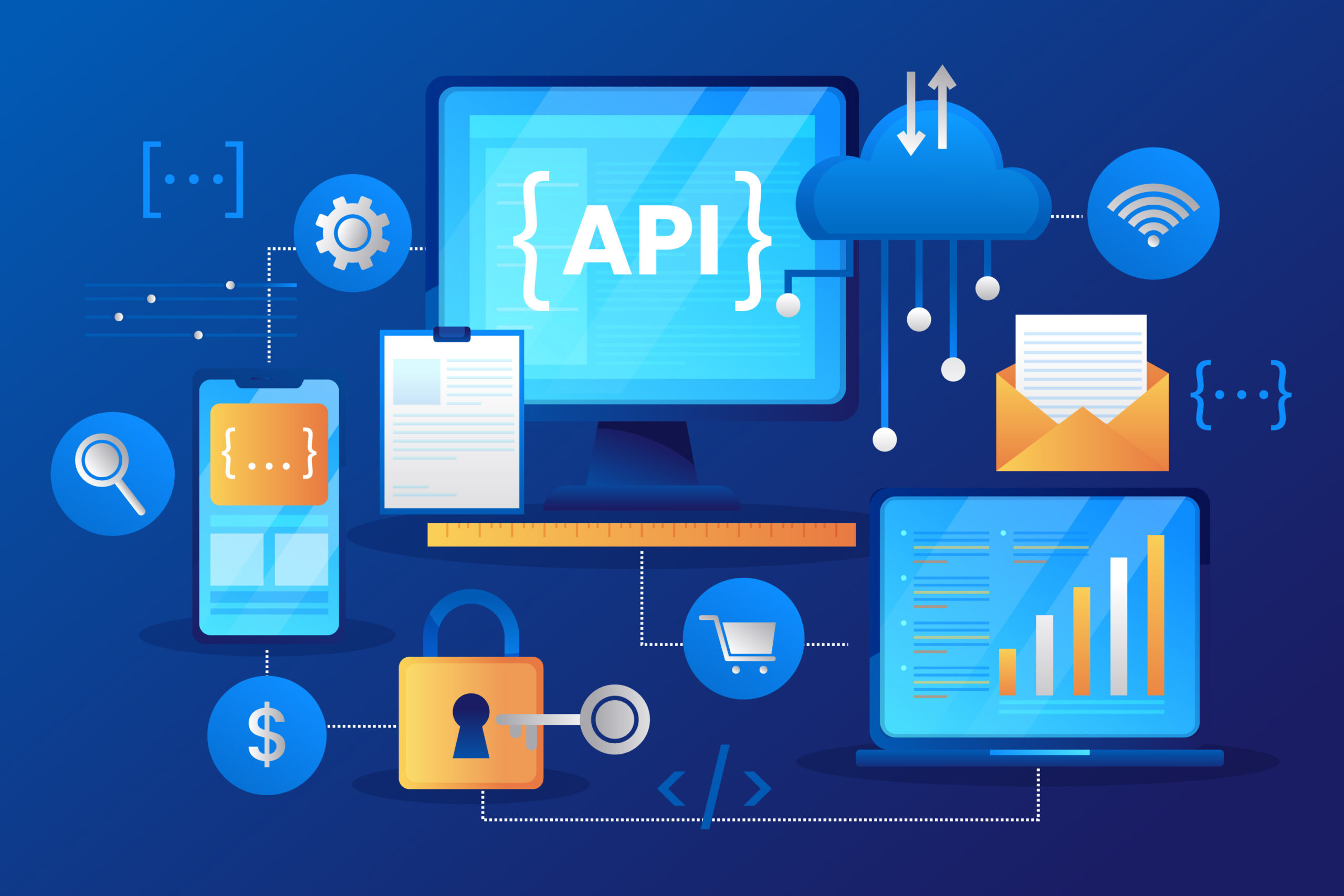
API integration represents the systematic approach to connecting disparate software applications through their Application Programming Interfaces. While this definition appears straightforward, the reality involves intricate technical decisions that impact your entire enterprise architecture.
In practical terms, API integration enables your Workday HCM system to communicate with your payroll provider, allows your CRM to sync with marketing automation platforms, and ensures your financial systems maintain real-time data consistency across departments. According to recent enterprise architecture studies, organizations with mature API integration strategies report 63% faster time-to-market for new services and 58% reduction in manual data reconciliation efforts.
The technical foundation involves request-response protocols, authentication mechanisms, data serialization formats, error handling frameworks, and rate limiting strategies. Each component demands careful consideration based on your specific operational requirements.
The Four Pillars of Robust API Integration Architecture
Authentication and Security Framework
Security stands as the non-negotiable foundation of any API integration strategy. Throughout my implementations, I’ve established that OAuth 2.0 with JWT tokens provides the most balanced approach between security and operational efficiency for enterprise environments.
Your authentication layer must handle token lifecycle management, refresh mechanisms, secure credential storage, and audit logging. I’ve seen organizations lose weeks of productivity because they treated authentication as an afterthought rather than architecting it properly from the start.
Consider implementing API gateways that centralize authentication, apply rate limiting, and provide a single point of security policy enforcement. This architectural pattern has saved my clients countless hours in troubleshooting and security audits.
Data Mapping and Transformation Logic
The real complexity in API integration emerges in data transformation. Your source system speaks one language, your target system expects another, and you’re responsible for the translation.
Effective data mapping requires understanding field-level relationships, handling null values gracefully, managing data type conversions, and maintaining referential integrity across systems. I’ve built transformation logic for scenarios involving 200+ field mappings between systems, and the key lesson remains consistent: document everything meticulously.
Modern integration platforms provide visual mapping tools, but complex business logic often requires custom code. The decision between configuration and customization should be driven by maintainability requirements and team skill sets. When your Workday integration involves complex compensation calculations or multi-tier approval workflows, custom development becomes necessary.
Error Handling and Recovery Mechanisms
Production environments generate errors. Systems become unavailable, networks experience latency, and data quality issues surface unexpectedly. Your integration architecture must anticipate these scenarios.
Implement comprehensive error handling that includes retry logic with exponential backoff, dead letter queues for failed messages, detailed error logging with contextual information, and automated alerting for critical failures. These mechanisms transform your integration from fragile to resilient.
In my experience, approximately 40% of integration failures stem from inadequate error handling rather than actual system issues. Organizations that invest in robust error recovery mechanisms experience 75% fewer escalations and significantly improved system availability.
Performance Optimization and Scalability
API integration performance directly impacts user experience and operational efficiency. Your architecture must handle current transaction volumes while accommodating future growth.
Key performance considerations include batch processing for high-volume scenarios, caching strategies for frequently accessed data, asynchronous processing for long-running operations, and connection pooling for efficient resource utilization. I’ve optimized integrations that reduced processing time from hours to minutes by implementing these patterns correctly.
Monitor API response times, throughput metrics, error rates, and resource consumption continuously. These metrics provide early warning signals before performance degradation impacts business operations.
Ready to Build Production-Grade API Integrations?
Sama Integrations delivers secure, scalable API solutions with proven authentication frameworks, robust error handling, and performance optimization. From RESTful APIs to event-driven architectures, we help enterprises achieve 63% faster time-to-market and eliminate manual data reconciliation. Let's architect API integrations that transform your system landscape.

Integration Patterns That Actually Work in Production
RESTful API Integration
REST APIs dominate enterprise integration landscapes due to their simplicity and widespread adoption. They leverage standard HTTP methods, utilize JSON for data exchange, and provide intuitive resource-oriented architecture.
For most enterprise scenarios, RESTful integration offers the optimal balance between functionality and complexity. However, understanding REST constraints, idempotent operations, and proper HTTP status code usage separates functional integrations from well-architected solutions.
When building any-to-any integration solutions, REST APIs provide the flexibility needed to connect diverse systems without vendor lock-in.
Event-Driven Architecture
Modern enterprises increasingly adopt event-driven integration patterns for real-time data synchronization. This approach publishes events when significant state changes occur, allowing downstream systems to react accordingly.
Event-driven integration excels in scenarios requiring immediate data propagation, supporting multiple consumers from single events, and enabling loosely coupled system architectures. I’ve implemented event-driven patterns that reduced data latency from hours to seconds, fundamentally changing how organizations operate.
Tools like Apache Kafka, RabbitMQ, and cloud-native event buses provide robust infrastructure for event-driven integration. The architectural shift requires different thinking about data flow and eventual consistency, but the operational benefits justify the learning curve.
Middleware and Integration Platforms
Enterprise integration platforms like MuleSoft provide comprehensive tooling for building, deploying, and managing API integrations at scale. These platforms offer pre-built connectors, visual development environments, centralized monitoring, and governance capabilities.
The decision to adopt an integration platform depends on your integration complexity, team capabilities, and long-term strategic vision. Organizations managing 20+ integrations typically see positive ROI from platform adoption within 18 months, based on my implementations.
However, platforms introduce their own complexity and licensing costs. Evaluate whether your integration requirements justify platform overhead or whether point-to-point connections with proper custom development practices suffice.
Real-World Implementation Strategies
The Discovery and Planning Phase
Successful API integration begins long before writing the first line of code. Comprehensive discovery involves documenting API specifications, understanding authentication requirements, identifying data mapping complexities, and establishing performance benchmarks.
I spend typically 20-30% of project timelines in discovery because shortcuts during planning create exponential problems during implementation. Map your data flows, identify transformation logic requirements, and establish clear success criteria before development begins.
Engage stakeholders from business, technical, and security teams early. Their input prevents costly rework and ensures your integration delivers actual business value.
Development and Testing Methodology
Adopt development practices that ensure quality and maintainability. This includes version controlling all integration code, implementing comprehensive unit testing, establishing integration test environments, and conducting thorough performance testing under realistic load conditions.
Mock external APIs during development to enable rapid iteration without consuming production API quotas or affecting external systems. Tools like Postman, SoapUI, and WireMock facilitate effective API testing workflows.
Document your integration thoroughly, including API endpoint details, authentication procedures, data mapping specifications, error handling approaches, and operational runbooks. Future support teams will thank you.
Deployment and Operational Excellence
Production deployment requires careful planning around change management procedures, rollback strategies, monitoring implementation, and stakeholder communication. I’ve learned that gradual rollouts with feature flags minimize risk and enable quick problem resolution.
Establish operational excellence through comprehensive monitoring dashboards, automated health checks, performance metric tracking, and proactive alerting. Organizations with mature managed integration practices experience 90% fewer unplanned outages.
Build relationships with API providers and understand their SLAs, maintenance windows, and support and troubleshooting procedures. External dependencies require as much attention as your internal systems.
Ready to Build Production-Grade API Integrations?
Sama Integrations delivers secure, scalable API solutions with proven authentication frameworks, robust error handling, and performance optimization. From RESTful APIs to event-driven architectures, we help enterprises achieve 63% faster time-to-market and eliminate manual data reconciliation. Let's architect API integrations that transform your system landscape.
Common Pitfalls and How to Avoid Them
Throughout countless implementations, certain mistakes appear repeatedly. Avoid these common pitfalls:
- Inadequate error handling leads to silent failures and data inconsistencies. Implement comprehensive logging and alerting from day one.
- Ignoring API rate limits causes integration failures during peak usage. Design your solution to respect provider constraints and implement throttling where necessary.
- Poor documentation creates maintenance nightmares. Document as you build, not as an afterthought.
- Insufficient testing results in production issues. Test edge cases, error scenarios, and performance under load before deployment.
- Neglecting security exposes your organization to significant risk. Treat every integration as a potential vulnerability and implement defense-in-depth strategies.
The Strategic Value of Expert Consultation
While technical skills enable integration development, experience guides architectural decisions that determine long-term success. Engaging experienced consulting resources early prevents costly mistakes and accelerates delivery timelines.
Consider consulting expertise for complex integrations, architectural reviews, performance optimization challenges, security audits, and knowledge transfer initiatives. The investment typically returns multiples through reduced development time, fewer production issues, and improved solution quality.
Looking Forward: The Evolution of API Integration
API integration continues evolving with GraphQL adoption, webhook proliferation, microservices architecture, and AI-powered integration mapping. However, fundamental principles remain constant: secure authentication, robust error handling, comprehensive monitoring, and clear documentation.
Organizations that master API integration fundamentals position themselves for competitive advantage through operational efficiency, improved customer experiences, and accelerated innovation capabilities. The technical investment in proper integration architecture pays dividends for years through reduced maintenance costs and enhanced system flexibility.
Whether you’re connecting Workday with payroll systems, integrating Infor with supply chain platforms, or building comprehensive multi-system integration landscapes, the principles outlined here provide your foundation for success.
The difference between mediocre and exceptional integration outcomes lies not in using different technologies, but in applying rigorous engineering principles, learning from production experience, and maintaining unwavering focus on operational excellence. After 20 years and thousands of integrations, this truth remains absolute.